Lesion or region What is found Planning use Substantia nigra, zona compacta First and most severely affected region, in the midportion of the nigra. Loss…
Huntington’s disease pathology starts with an inherited CAG repeat expansion in the HTT gene and ends in loss of striatal medium spiny neurons, with the…
Argyrophilic grain disease is a common age-related 4R tauopathy in which tau-positive grains accumulate in the medial temporal lobe. It can stay clinically silent or…
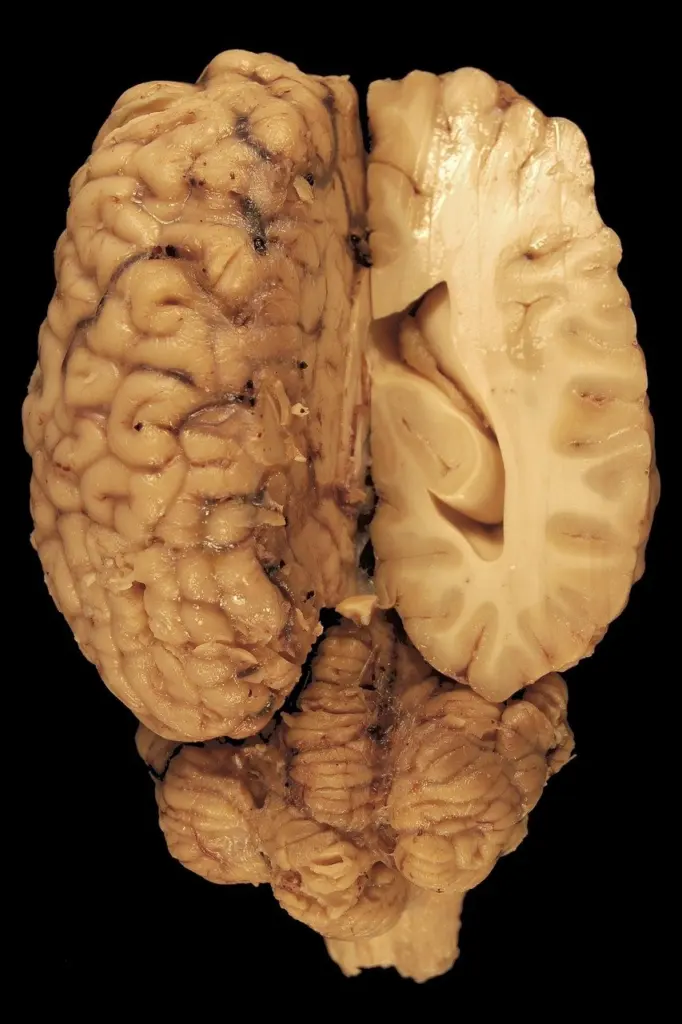
Quick answer: Alzheimer’s disease neuropathology is defined by extracellular amyloid plaques and intraneuronal neurofibrillary tangles, read from the gross brain down to the microscope. Both…
Feature What the slide or report shows Planning use Microvascular proliferation Extensive, one of the histologic hallmarks Look for it early; it separates glioblastoma from…
Stage after vessel failure Typical finding Planning use Seconds to minutes Consciousness lost in about 10 seconds; neurons survive about 4 minutes after perfusion stops…
A posterior fossa tumor shows rosette-forming cells on the slide. Ependymoma histology supports the diagnosis, but H3 K27me3 staining and tumor site decide whether it…
Quick answer: Oligodendroglioma histology shows round nuclei, perinuclear halos and chicken wire capillaries, but these look-alike features only support the diagnosis. IDH mutation plus 1p/19q…
Disease or group Abnormal protein or lesion Pattern of cell loss on examination Planning use Alzheimer disease Amyloid beta plaques and tau tangles Cortical atrophy…